Misinformation about vehicle maintenance is everywhere, often passed down through word of mouth or outdated advice. Believing these myths can lead to unnecessary expenses, poor vehicle performance, and even safety risks. Understanding what truly matters in auto care helps drivers make smarter, cost-effective decisions.
Myth 1: You Must Service Your Car Only at the Dealership
Many drivers believe dealership service is mandatory to maintain vehicle reliability or warranty coverage. In reality, certified independent repair shops can perform the same maintenance.
Why this myth is misleading
- Warranty laws allow maintenance at independent shops
- Quality parts and certified technicians are widely available
- Dealership service often costs more for routine work
Choosing a reputable local shop can deliver equal quality at a lower cost.
Myth 2: Oil Should Always Be Changed Every 3,000 Miles
This was true decades ago, but modern engines and advanced oils have changed the rules.
What drivers should know
- Many vehicles safely go 5,000–10,000 miles between oil changes
- Synthetic oil lasts longer and performs better in extreme conditions
- Manufacturer recommendations are more accurate than generic advice
Overchanging oil wastes money and resources without improving engine health.
Myth 3: Premium Fuel Improves Performance in All Cars
Premium gasoline is often mistaken as “better” fuel for every vehicle.
The reality
- Only engines designed for high-octane fuel benefit from premium gas
- Regular vehicles see no performance or efficiency gains
- Using premium fuel unnecessarily increases fuel costs
Always follow the octane rating specified by the manufacturer.
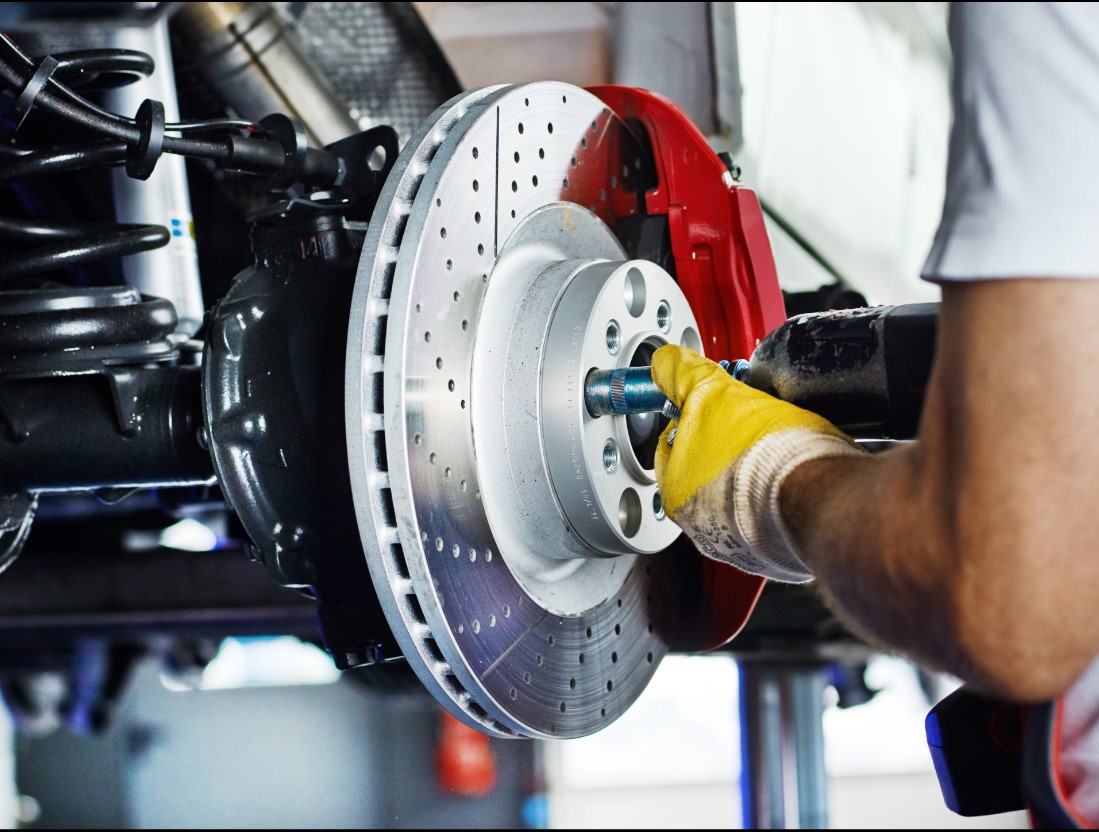
Myth 4: Brake Pads Need Replacement as Soon as They Squeal
A squealing sound does not always mean immediate replacement is required.
Common causes of brake noise
- Moisture or surface rust
- Dust buildup
- Wear indicators designed to create noise
A professional inspection determines whether replacement is truly necessary.
Myth 5: You Don’t Need to Rotate Tires Unless There’s a Problem
Tire rotation is preventive, not reactive.
Why tire rotation matters
- Promotes even tread wear
- Extends tire lifespan
- Improves handling and fuel efficiency
Skipping rotations can lead to premature tire replacement.
Myth 6: Dashboard Warning Lights Can Be Ignored if the Car Feels Fine
Modern vehicles rely on sensors to detect early-stage issues.
Ignoring warning lights can cause
- Minor problems to escalate into major repairs
- Reduced fuel efficiency
- Safety system failures
Prompt diagnostics often save money and prevent breakdowns.
Myth 7: New Cars Don’t Need Regular Maintenance
Even new vehicles require ongoing care to remain reliable.
New car maintenance still includes
- Oil and fluid changes
- Tire inspections
- Brake and suspension checks
Neglecting early maintenance can shorten vehicle lifespan and reduce resale value.
Why Letting Go of Auto Service Myths Matters
Accurate information empowers drivers to:
- Avoid unnecessary repairs
- Protect long-term vehicle performance
- Make confident, informed maintenance decisions
Smart auto care is based on facts, not assumptions.
Frequently Asked Questions (FAQs)
1. How can I tell if an auto service recommendation is unnecessary?
Seek a second opinion and ask for clear explanations or visual proof before approving work.
2. Are manufacturer service schedules more reliable than general advice?
Yes, manufacturer schedules are tailored to your vehicle’s design and driving conditions.
3. Does skipping maintenance affect resale value?
Yes, incomplete service records often lower resale and trade-in offers.
4. Can independent shops access the same diagnostic tools as dealerships?
Most modern independent shops use advanced diagnostic equipment compatible with newer vehicles.
5. Is preventive maintenance really cheaper than repairs?
Preventive maintenance typically costs far less than fixing major mechanical failures.
6. How often should drivers review their vehicle maintenance plan?
Review it at least once a year or when driving habits or conditions change.
7. Do driving habits influence which auto service advice applies to me?
Yes, city driving, towing, extreme climates, and mileage patterns all affect service needs.