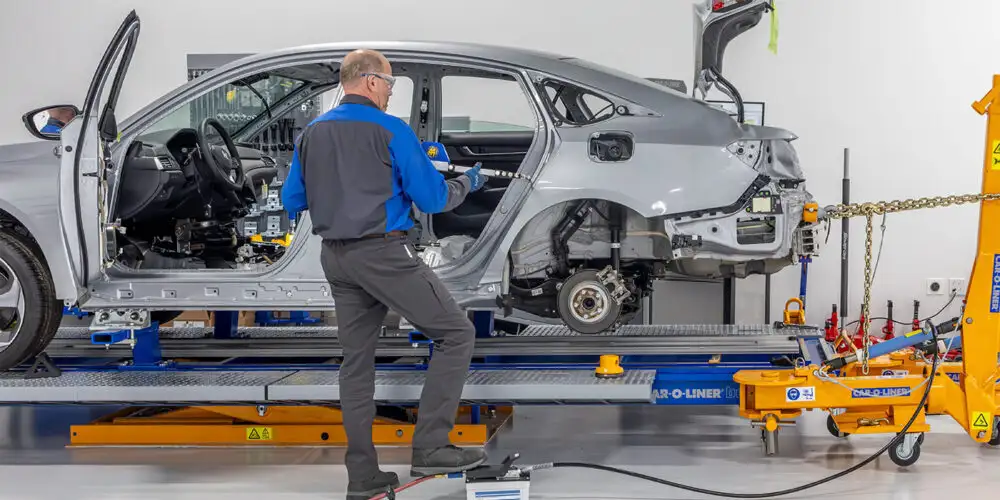
Structural pulling depends on control. The vehicle, repair system and pulling direction all need to work together so force is applied safely and accurately. High-quality frame pulling clamps are an important part of that process because they help hold the structure properly while correction work is carried out.
Pulling Force Needs A Stable Foundation
A structural pull can only be accurate if the vehicle is secured correctly. If anchoring points slip, flex or move under load, the repair becomes harder to control. The technician may apply force, but the result may not be predictable.
Clamps are therefore not a minor accessory. They are part of the foundation of the repair. Their job is to help transfer force safely and keep the vehicle positioned while damaged areas are corrected. If the clamp does not grip correctly or is unsuitable for the application, both accuracy and safety can be affected.
This is especially important when working on frames, rails or areas where strong pulling forces may be required. The holding method has to match the repair, the vehicle and the equipment being used.
The Right Clamp Depends On The Repair
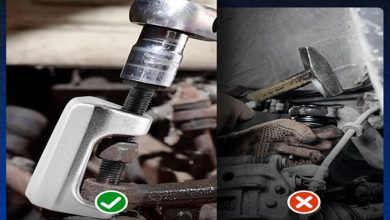
Not every pulling job needs the same clamp. Different structures, materials and damage patterns may require different anchoring or gripping solutions. Choosing the wrong clamp can create poor contact, uneven loading or damage to areas that should be protected.
Technicians need to consider where the force will be applied, what the clamp will hold, and how the vehicle should respond during correction. A clamp that works well in one situation may not be suitable in another. This is why having the right range of equipment and knowing how to use it matters.
Good repair practice is not only about pulling the damaged section back into place. It is about controlling the entire setup so that the correction happens cleanly and safely.
Condition And Fit Should Be Checked Regularly

Clamps are subject to wear. Teeth, jaws, bolts, pins, threads and contact surfaces can all degrade through use. A damaged or poorly maintained clamp may not grip as intended, even if it appears usable at first glance.
Regular inspection should be part of the workshop routine. Technicians should check for wear, deformation, cracks, damaged threads or contamination that could affect grip. If clamps are used frequently, they should be maintained and replaced when needed.
This protects the repair process and the technician. Equipment that is used under load must be treated seriously. Small defects can become significant when force is applied.
Better Control Leads To Better Repairs
The goal of structural pulling is not simply to move metal. It is to restore the vehicle in a controlled, measurable way. Secure clamping helps make that possible by giving the technician a more stable repair environment.
When the vehicle is held properly, measurement becomes more meaningful and pulling adjustments can be made with greater confidence. The repair is less likely to rely on guesswork and more likely to follow a controlled process.
Strong clamping equipment supports safety, accuracy and efficiency. For body shops handling structural work, investing in the right holding systems is an essential part of producing repairs that technicians can stand behind.