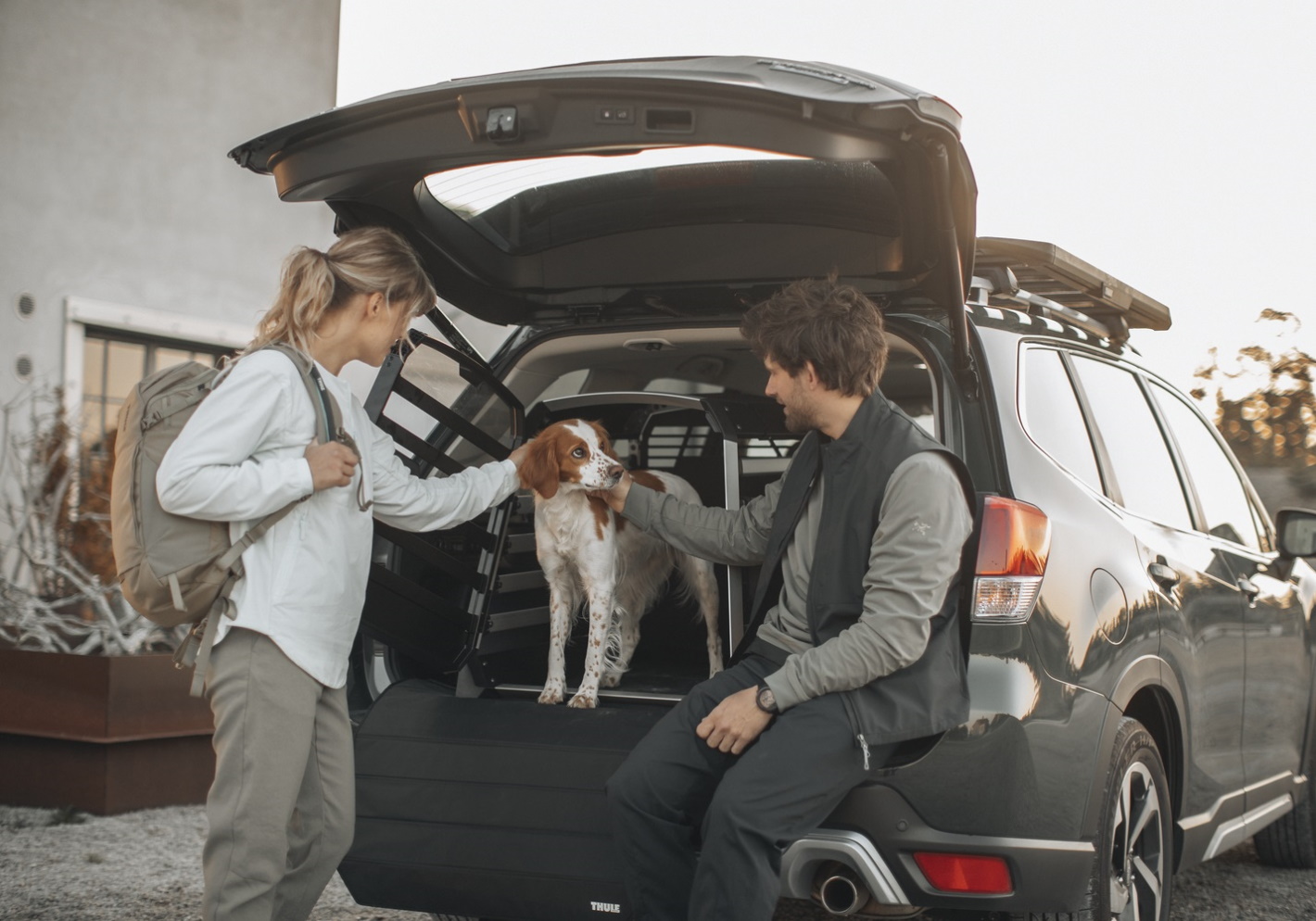
Road trips, weekend getaways, and simple errands are core parts of family life, and for many households, these trips are not complete without the family pet. Traveling with animals in family-sized vehicles like SUVs, minivans, and large crossovers requires specialized planning. While it is tempting to let a dog roam freely in the cargo area or rest its head out the window, unsecured pets pose severe safety risks to themselves and everyone else inside the vehicle.
An unrestrained animal turns into a dangerous projectile during a sudden braking maneuver or collision. Furthermore, an anxious or overly excited pet can easily distract the driver, increasing the probability of a preventable accident. Prioritizing proper restraint systems, environmental control, and strategic packing allows you to transform your large vehicle into a safe haven for your companion.
The Physics of Passenger and Pet Safety
Understanding the forces at play during a sudden vehicular stop clarifies why pet safety tools are completely non-negotiable.
The Projectile Effect in High-Volume Cabins
In a standard sedan, physical space is tightly confined, but family-sized vehicles feature wide, open cabin configurations with expansive cargo zones. If an SUV traveling at thirty miles per hour comes to an abrupt halt, an unrestrained sixty-pound dog is thrust forward with approximately twelve hundred pounds of impact force. This momentum can prove fatal for the animal and can cause critical or life-threatening injuries to human passengers sitting in the front or middle rows.
Airbag Deployment Hazards
The passenger-side front seat is the single most dangerous location for a pet. Modern automotive airbags deploy with explosive velocity designed to cushion adult human frames. For an animal sitting on the front seat or resting on a passenger lap, the physical impact of a deploying airbag can cause catastrophic blunt-force trauma. Keeping pets secured in the secondary rear seating rows or the designated rear cargo area is the fundamental rule of automotive pet safety.
Choosing the Right Restraint System for Large Vehicles
Family-sized vehicles provide multiple configuration options for securing animals. The right choice depends on the size, species, and temperament of your pet.
Crash-Tested Safety Harnesses
For medium to large dogs that prefer sitting on the actual vehicle seats, a heavy-duty, crash-tested safety harness is an exceptional choice. These specialized harnesses utilize wide, padded chest plates to distribute impact forces evenly across the strongest parts of the animal skeletal structure. Look for systems that anchor directly into the vehicle existing seatbelt webbing or latch systems rather than relying on thin extension straps that can snap under tension.
Heavy-Duty Crates and Carriers
Securing a pet inside a durable, well-ventilated crate remains the gold standard for long-distance transit. Family-sized vehicles are uniquely qualified to accommodate large crates in the rear cargo section. When positioning a crate in an SUV or minivan, you must utilize heavy-duty tie-down straps attached to the vehicle integrated cargo hooks. An unanchored crate will slide during sharp turns and tumble forward during a crash, nullifying its protective benefits. Smaller carriers for cats and small dogs should be placed on the floorboards behind the front seats to prevent movement.
Structural Cargo Barriers
If you prefer to grant your dog the freedom of the entire rear cargo area in a station wagon or SUV, installing a structural cargo barrier is an effective approach. These barriers are constructed from high-strength steel tubing or mesh and lock securely into the ceiling and floor frames. This setup physically prevents the dog from being thrown into the passenger rows during a collision. For complete safety, combine a barrier with a cargo area liner that provides solid traction so the animal does not slide around while the vehicle is in motion.
Environmental Control and Cabin Comfort
Large vehicle cabins take longer to heat up and cool down than compact cars, requiring driver vigilance regarding interior climate conditions.
Managing Airflow and Temperature in Rear Zones
Many SUVs and minivans have secondary or tertiary climate control zones. Always ensure that the rear vents are open, functional, and aimed toward the area where your pet is secured. The air in a closed cargo area can quickly become stagnant and overheated, even if the front-row passengers feel perfectly comfortable. Monitor the rear environment closely, especially during humid summer months, as dogs rely entirely on panting and cool ambient air to regulate their internal temperature.
Minimizing Motion Sickness and Anxiety
The elevated ride height and softer suspension tuning of family-sized vehicles can cause a swaying motion that triggers motion sickness in pets. To help your animal adapt, employ these preventative tactics:
-
Pre-Trip Feeding Windows: Avoid serving a full meal to your pet within three to four hours of departure. An empty stomach dramatically reduces the likelihood of nausea and vomiting.
-
Gradual Desensitization: If your animal is anxious, conduct brief, positive training sessions inside the parked vehicle, followed by short drives around the neighborhood before attempting a long highway journey.
-
Visual Restrictions: Some dogs become hyper-aroused or nauseous from watching roadside objects flash past the windows. Using a crate cover or positioning the pet in the center seat row can help stabilize their visual perspective.
On-the-Road Management and Pit Stop Etiquette
Maintaining safety during long trips requires establishing a consistent routine for rest stops and transitions.
Safe Ingress and Egress Protocols
Excited pets frequently attempt to bolt out of the vehicle the instant a door or liftgate is opened. This behavior can result in an animal running directly into oncoming highway traffic. Establish a strict boundary rule where your pet must remain seated and wait for a specific verbal release command before exiting. When unloading from an SUV or minivan, always keep a firm grip on the leash before releasing the animal from its internal harness or crate.
Hydro-Regulation and Hydration Strategies
Travel causes rapid dehydration due to stress and increased panting. Pack an ample supply of water from your own home in dedicated jugs, as switching to unfamiliar municipal water sources along your route can cause sudden digestive upset. Use collapsible silicone bowls to offer water during every scheduled rest stop, which should occur roughly every two to three hours on extended journeys.
Frequently Asked Questions
Is it safe to leave my pet inside a family vehicle with the remote climate control running?
While modern vehicles with dedicated dog mode settings allow the air conditioning to run while the vehicle is locked, it should only be used for brief periods. Electronic systems can experience unexpected software glitches, battery depletion, or engine shutdowns. If you must step away, monitor the vehicle internal status continuously via a smartphone application and return immediately if the system alerts you to a failure.
Why do cats require different car transport strategies compared to dogs?
Cats are highly territorial and generally view the unpredictable movement, sounds, and visual stimuli of a car ride as a direct threat. Unlike dogs, who may settle on a seat harness, cats should always be transported inside a small, hard-sided carrier secured on the floorboard. Covering the carrier with a light sheet blocks overwhelming visual input, which significantly helps lower their stress and prevents frantic vocalization.
How can I stop my large dog from pacing and blocking my rear view mirror vision?
Pacing is a primary indicator of vehicle anxiety or a lack of physical restraint. Utilizing a structural cargo barrier or a crash-tested seatbelt harness will physically limit their movement to a specific zone. This keeps the dog stable, prevents them from pacing across the seats, and ensures your line of sight through the rearview mirror remains completely unobstructed.
What are the dangers of letting a dog ride with its head out the open window?
Though dogs enjoy the sensory input, this habit exposes their eyes, ears, and nasal passages to airborne road debris, insects, and gravel traveling at high speeds, which can cause severe corneal ulcers or punctures. Additionally, sudden swerves or hitting an unexpected bump can throw the animal out of the window entirely, or cause the window mechanism to accidentally roll up and trap the animal.
How do I safely secure a giant-breed dog that exceeds normal harness weight limits?
For giant breeds like Great Danes or Mastiffs that exceed standard harness ratings, the safest option is a heavy-duty, commercial-grade aluminum crate anchored firmly in the rear cargo area of an SUV or minivan. If a crate does not fit your vehicle dimensions, a permanently bolted steel cargo barrier combined with a non-slip floor mattress is the next best alternative.
Should I attach a car seat belt tether directly to my dog standard collar?
Never attach a vehicle restraint tether to a standard neck collar or a choke chain. In a sudden stop, all the momentum and force would be concentrated directly on the animal trachea and cervical spine, which can cause instantaneous strangulation or a broken neck. Car tethers must only be attached to dedicated, load-bearing body harnesses.
What specific pet details should be kept inside the vehicle glove box for emergencies?
You should maintain a waterproof packet containing updated rabies vaccination certificates, recent medical history, a list of current medications, emergency contact information for your primary veterinarian, and a clear photograph of your pet. This documentation is vital if you are involved in an accident and emergency responders need to transfer your pet to a local veterinary hospital.