
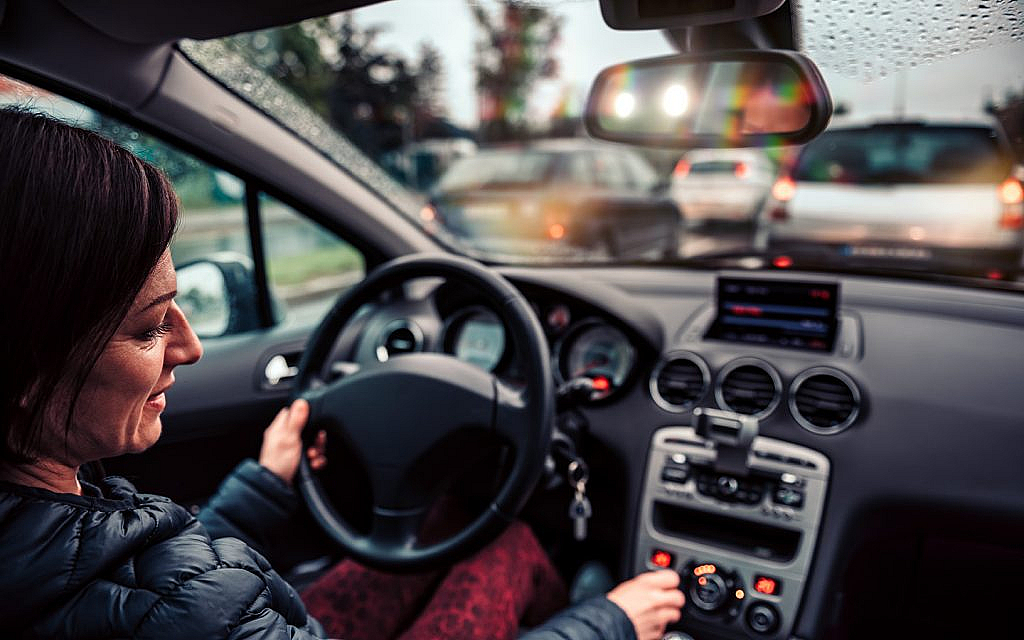
Modern roadways are faster, more crowded, and more stressful than ever before. For many people, getting behind the wheel has transformed from a relaxing commute into a daily test of patience. Congestion, unexpected delays, construction zones, and the unpredictable behavior of other motorists can quickly elevate stress levels. When stress escalates unchecked, it frequently manifests as aggressive driving or, in its most severe form, road rage.
Road rage is not just an unpleasant emotional state; it is a significant public safety hazard. It impairs judgment, slows reaction times, and leads to impulsive maneuvers that put everyone on the road at risk. Learning how to manage your own emotional state and effectively handle the hostility of other drivers is a vital skill for every motorist. By adopting a proactive mindset and utilizing specific psychological and behavioral strategies, you can maintain control and arrive safely at your destination.
Understanding the Roots of Aggressive Driving
To successfully combat road rage, it is essential to look at why the driving environment is so uniquely prone to producing extreme anger.
The Illusion of Isolation and Anonymity
Vehicles act as heavy steel and glass barriers that separate individuals from the outside world. This barrier creates a psychological phenomenon known as deindividuation. Inside a car, drivers often feel anonymous and detached from the people around them. This sense of isolation reduces social accountability, making individuals far more likely to display hostility, gesture aggressively, or yell things they would never say in a face-to-face interaction.
Transferred Stress and the Pre-Conditioned Mind
Rarely does road rage stem entirely from a single traffic incident. More often, a driver enters their vehicle already carrying a heavy emotional load. Work-related anxiety, financial pressure, relationship friction, or simple sleep deprivation can prime the nervous system for a fight-or-flight response. When a minor inconvenience occurs on the road, such as a driver failing to use a turn signal or cutting in too close, it acts as a catalyst that releases this pre-existing, bottled-up tension.
Proactive Strategies Before You Turn the Key
Defusing road rage begins before you even start the engine. Preparing your mind and your environment sets a stable foundation for the journey ahead.
Radical Time Management
One of the most common triggers for aggressive behavior is the sensation of running late. When you are rushing to an appointment, every red light feels like a personal insult, and every slow vehicle feels like a deliberate barrier. By committing to leaving just fifteen minutes earlier than necessary, you completely alter your relationship with the road. Delays cease to be catastrophic disruptions and instead become minor, manageable pauses.
Cultivating a Calming Cabin Environment
The interior of your car should serve as a sanctuary from external chaos. Take steps to optimize the sensory input within your vehicle:
-
Audio Selection: Avoid high-tempo music, aggressive talk radio, or stressful news broadcasts when navigating heavy traffic. Instead, choose soothing instrumentals, ambient soundscapes, educational podcasts, or audiobooks that keep your mind engaged without elevating your heart rate.
-
Temperature Control: A cabin that is too warm can exacerbate feelings of irritability. Keep the air crisp and cool to help maintain mental alertness and physical comfort.
-
Ergonomics and Posture: Physical tension breeds mental tension. Periodically check that your shoulders are dropped, your grip on the steering wheel is relaxed rather than a white-knuckled squeeze, and your lower back is properly supported.
On-The-Road Techniques for Self-Regulation
When traffic worsens and the behavior of those around you begins to deteriorate, you must employ active coping mechanisms to keep your own emotions in check.
Cognitive Restructuring and Empathy Reframing
When another driver makes a mistake, the human brain naturally tends to personalize the event, assuming the action was malicious or targeted. Cognitive restructuring involves consciously challenging these assumptions. Instead of thinking that the driver cut you off on purpose to disrespect you, reframe the situation with empathy. Consider alternative possibilities: perhaps they are rushing to a medical emergency, dealing with a crying child in the backseat, or simply having a highly distracted, bad day. By attributing their poor driving to human error rather than personal malice, you remove the fuel that feeds your anger.
Controlled Respiration Practices
Anger triggers an immediate physiological response: your heart rate spikes, your blood pressure rises, and your breathing becomes shallow. You can reverse this physical reaction by consciously altering your breathing pattern. Use the box breathing technique when you feel your anger rising. Inhale deeply through your nose for a count of four, hold the breath for four seconds, exhale completely through your mouth for four seconds, and pause for another four seconds before the next breath. This simple practice sends a direct signal to your nervous system to calm down.
Relinquishing the Need for Justice
A major trap for many drivers is the urge to correct or punish bad behavior on the highway. Flashing your high beams, honking excessively, or blocking someone from merging to teach them a lesson is incredibly dangerous. The highway is not a courtroom, and you are not law enforcement. Accept that some drivers will behave poorly, and understand that your priority is safety, not teaching strangers how to drive.
De-Escalating Confrontations with Aggressive Drivers
Sometimes, despite your best efforts to remain calm, you will cross paths with an individual who is actively seeking a confrontation. Knowing how to handle an aggressive driver can prevent a bad situation from turning violent.
Eliminate All Eye Contact and Interaction
If someone is tailgating you, gesturing wildly, or shouting from an adjacent lane, do not look at them. Making eye contact can be interpreted as a challenge and often escalates their anger. Keep your eyes firmly on the road ahead. Do not respond with your own gestures, do not shake your head, and do not use your horn in retaliation. Act as though the aggressive behavior is completely invisible to you.
Create Physical Distance
Your primary objective when dealing with an aggressive motorist is to put as much space between your vehicles as possible. If someone is tailgating you closely, safely signal and move to the right lane to let them pass. If they are driving erratically ahead of you, slow down and increase your following distance significantly. It is always better to have an unstable driver in front of you where you can monitor them, rather than directly behind you.
Know What to Do in Extreme Scenarios
If an aggressive driver begins following your vehicle or attempts to force you off the road, you must take immediate protective action:
-
Never Drive Home: Do not pull into your driveway or your workplace. This reveals where you live or work to a hostile individual.
-
Drive Toward Safety: Direct your vehicle toward a crowded, well-lit public area. Ideally, drive straight to the nearest police station, fire station, or hospital emergency room.
-
Utilize Emergency Services: If you feel your life is in danger, use your hands-free phone system to dial emergency services immediately. Give the dispatcher your exact location, your direction of travel, and a description of the aggressor vehicle. Stay on the line until help arrives.
Frequently Asked Questions
How can I distinguish between standard aggressive driving and actual road rage?
Aggressive driving is generally classified as a series of traffic offenses, such as speeding, frequent lane changes without signaling, tailgating, or running red lights, typically driven by impatience. Road rage, on the other hand, is a criminal offense. It occurs when a driver intentionally targets a specific individual with the intent to cause physical harm, property damage, or severe intimidation, such as ramming a car or exiting the vehicle to assault someone.
What should I do if a passenger in my own vehicle is trying to incite me to drive aggressively?
When you are the driver, the legal and moral responsibility for the vehicle rests solely on your shoulders. Calmly but firmly inform your passenger that their commentary is distracting you and putting everyone safety at risk. Ask them to help by navigating or managing the music instead, redirecting their focus away from the surrounding traffic.
Is it ever appropriate to use my horn to alert an aggressive driver?
The horn should only be used as a brief, polite warning device to prevent an immediate accident, such as when a driver is drifting blindly into your lane. Using a long, continuous horn blast out of frustration or to scold another driver for a past mistake is highly provocative and frequently serves as the opening trigger for a serious road rage encounter.
How do I recover my composure after a highly stressful near-miss or confrontation on the road?
If your heart is racing and you feel overwhelmed by adrenaline after an incident, look for the nearest safe opportunity to exit the roadway entirely. Pull into a parking lot or a well-lit rest stop. Turn off the engine, step out of the vehicle if it is safe to stretch, drink some water, and practice deep breathing for five to ten minutes until your physical symptoms subside before resuming your drive.
Why do some people experience severe anger while driving but remain completely calm in normal life?
The psychological detachment provided by a vehicle lowers a person normal social inhibitions, much like online anonymity. Additionally, driving involves a constant, rapid series of micro-frustrations and perceived territory violations. When a person feels their personal space or safety is threatened while trapped in a confined seat, the primitive survival brain can easily override their rational, everyday personality.
Can defensive driving classes help me manage my emotional responses?
Yes, many modern defensive driving courses include segments focused on sports psychology and emotional intelligence behind the wheel. These courses teach you to view driving as a cooperative, system-based task rather than a competitive event, providing concrete behavioral tools to maintain a neutral perspective during chaotic traffic events.
What is the safest way to handle a merge point where other drivers are refusing to let me in?
Implement the zipper merge method by continuing down your lane smoothly and signaling early. If a specific driver actively closes the gap to block you, do not force your way in or accelerate to match their aggression. Simply ease off the gas pedal, slow down slightly, and merge safely behind them. Losing one position in a traffic line delays your arrival by mere seconds but completely eliminates the risk of a collision.