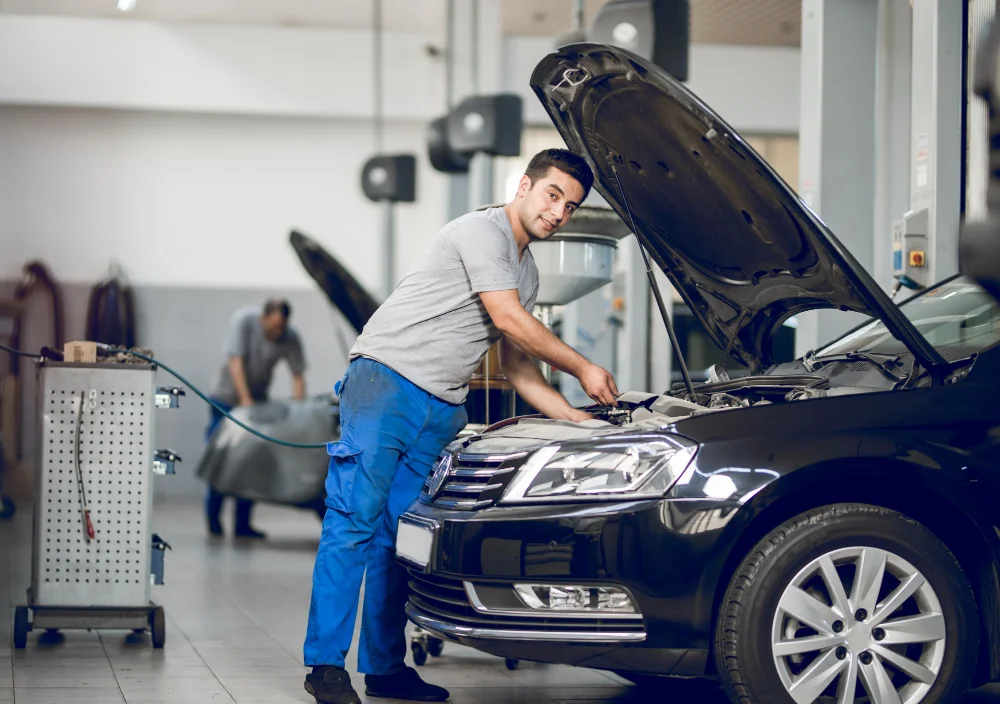
Embarking on a cross-country road trip or a weekend highway getaway offers an unmatched sense of freedom and adventure. However, nothing derails vacation plans faster than a preventable mechanical breakdown on the side of a busy interstate. The extreme demands of prolonged highway driving, fluctuating ambient temperatures, and heavy passenger or cargo payloads place immense stress on every primary vehicle system.
To ensure safety, performance, and peace of mind, scheduling a pre-road trip inspection is vital. Many drivers delay this maintenance because they fear losing hours at a repair facility. By utilizing a systemized checklist, you can streamline your visit to an automotive care center for a fast, comprehensive service. Knowing exactly what needs evaluation allows you to communicate efficiently with technicians, get vital components verified, and get back on the road with minimal downtime.
The Strategic Advantage of a Planned Service Appointment
Arriving at an automotive service station with a clear checklist changes the dynamic of your vehicle maintenance. It prevents miscommunication and ensures that critical safety items are prioritized over elective cosmetic repairs.
Minimizing Downtime at the Service Center
When you request a general inspection without specifying your intent, technicians may perform a standard multi-point check that misses high-speed driving vulnerabilities. Informing the service adviser that you are preparing for an extended road trip shifts their focus toward longevity and thermal management systems. Presenting a organized list ensures the mechanics can coordinate their tools, complete the tasks sequentially, and complete the service rapidly without unnecessary diagnostics.
Scheduling Your Service Wisely
Timing is everything when preparing a vehicle for travel. Never schedule a comprehensive car service the morning of your departure. Ideally, your service appointment should take place approximately five to seven days before your planned road trip. This temporal buffer provides a critical safety margin. If the technician uncovers a significant mechanical issue, such as a leaking water pump or deeply worn brake rotors, the garage will have ample time to source original equipment parts and complete the repairs without forcing you to delay your departure date.
Vital Engine Fluids and Filtration Systems
Fluids serve as the primary cooling and lubrication mechanisms for your vehicle internal machinery. High-speed highway cruising causes heat to build up rapidly, making fluid integrity a top priority.
Lubrication Quality and Oil Filter Verification
If your vehicle engine oil is within one thousand miles of its next scheduled replacement interval, perform an oil and filter change before you leave. Extended highway travel subjects engine oil to continuous high thermal loads. Fresh synthetic oil ensures optimal viscosity, reduces friction across moving components, and prevents the buildup of internal engine sludge. Technicians will also verify that the oil filter is replaced to keep the oil free of microscopic carbon debris.
Thermal Management and Coolant Systems
The cooling system prevents catastrophic engine failure by regulating operating temperatures. During a fast service, the mechanic must inspect the engine coolant level and evaluate its chemical condition. Over time, antifreeze loses its anti-corrosive properties, which can lead to internal radiator scaling or thermostat blockages. Technicians should also pressure-test the cooling system to identify subtle micro-leaks in the upper and lower radiator hoses or the heater core connections that could burst under high-speed highway pressures.
Hydraulic Safeguards: Brake and Steering Fluids
Adequate stopping power relies completely on hydraulic pressure. Technicians will check the brake fluid reservoir for proper volume and clarity. Dark, discolored brake fluid indicates moisture contamination, which drastically lowers the boiling point of the fluid and can induce a spongy pedal feeling or sudden brake fade during downhill mountain driving. Similarly, power steering fluid levels should be verified to preserve smooth steering response and prevent pump cavitation.
The Underside: Tires, Wheels, and Braking Systems
Your vehicle tires and brakes are the sole mechanisms responsible for traction and deceleration. They require careful measurement before hitting the open highway.
Comprehensive Tire Inspection and Pressure Adjustment
Tires expand as they heat up during prolonged driving. Technicians will evaluate your tires across three core metrics:
-
Tread Depth Assessment: Mechanics will use a specialized depth gauge to ensure your tires have sufficient tread to channel water away, minimizing the risk of hydroplaning during sudden summer rainstorms.
-
Wear Pattern Analysis: Uneven tread wear on the shoulders or center of the tire indicates underlying issues with wheel alignment or suspension components.
-
Inflation Balancing: Technicians will adjust tire pressures to match the vehicle exact manufacturer specifications, which are located on the driver-side door jamb placard rather than the maximum pressure listed on the tire sidewall itself.
Brake Pad, Rotor, and Caliper Verification
Stop-and-go highway traffic and heavy payloads require a perfectly functioning braking system. A fast service must include a visual and physical inspection of the front and rear brake pads. If the friction material measures less than four millimeters, replacement is highly recommended before undertaking a long trip. Technicians will also check the brake rotors for deep grooves, hotspots, or rust pitting that could cause severe steering wheel vibration during high-speed braking events.
Electrical Architecture and Visibility Controls
Long road trips often involve driving through unexpected weather systems, heavy fog, or dark rural highways, making electrical reliability paramount.
Digital Battery Diagnostics
Summer heat is the primary catalyst for internal battery degradation, though the symptoms often go unnoticed until the vehicle fails to start. A fast road trip service includes a digital battery conductance test. This test measures the battery cold cranking amps and voltage retention capacity. If the printout indicates a weak state of charge or high internal resistance, replacing the battery before your trip prevents the frustration of being stranded at a remote highway rest stop.
Exterior Illumination and Wiper Blades
Total situational awareness requires that you see the road clearly and that other drivers can see you. Technicians will perform a full illumination check, verifying the operation of high beams, low beams, turn signals, brake lights, reverse lights, and license plate lamps. Concurrently, the windshield wiper blades should be checked for tearing or skipping along the glass, and the washer fluid reservoir should be topped off with a high-performance solvent designed to cut through highway bug splatter.
Frequently Asked Questions
Why shouldn’t I just inflate my tires to the maximum pressure printed on the tire sidewall?
The pressure listed on the tire sidewall is the maximum weight load pressure the tire can safely handle, not the optimal inflation level for your specific vehicle. Over-inflating tires to this maximum threshold reduces the contact patch with the road, resulting in a harsh ride, accelerated center tread wear, and compromised handling performance. Always follow the guidelines on the vehicle door placard.
What is a cooling system pressure test and why is it included in a road trip check?
A cooling system pressure test involves attaching a specialized manual pump to the radiator or expansion tank cap and pressurizing the system to match its operating limit. This diagnostic process forces weak hose clamps, hairline plastic radiator cracks, or failing gaskets to reveal themselves via small fluid leaks before they experience a catastrophic blowout under real highway conditions.
Is it necessary to balance my wheels before a road trip if I do not feel a vibration?
If your steering wheel and seat remain perfectly smooth at highway speeds, a wheel balance is generally not required. However, if you notice a distinct vibration that begins at approximately fifty-five miles per hour and worsens as speed increases, your wheels are out of balance. Addressing this prevents premature suspension wear and tire cupping during your journey.
How does hauling a heavy luggage rack on the roof affect my vehicle pre-trip requirements?
Carrying cargo on a roof rack elevates the vehicle center of gravity and increases aerodynamic drag, which places additional mechanical strain on the engine and suspension. When planning to haul heavy overhead loads, it is critical to ensure your rear suspension shocks are not leaking and that your rear tire pressures are adjusted to the upper limits recommended by the manufacturer for loaded transit.
Should I have my vehicle transmission fluid changed specifically for a road trip?
If your transmission fluid is clean and within its recommended mileage lifespan, a simple visual inspection for leaks is sufficient. However, if you are towing a camper or trailer across mountainous terrain, changing the transmission fluid before departure is wise, as towing generates extreme internal transmission heat that rapidly degrades old, worn fluid.
What is the difference between a wheel alignment check and a wheel balancing service?
Wheel balancing corrects uneven weight distribution within the tire and wheel assembly itself by adding small metal weights to the rim. Wheel alignment involves adjusting the physical angles of the vehicle suspension components so that the tires are perfectly parallel to each other and perpendicular to the road surface, ensuring the vehicle tracks straight.
How can I verify that my vehicle spare tire is actually road-ready?
A spare tire is useless if it is flat when an emergency occurs. During your pre-trip service, explicitly ask the technician to lower your spare tire from its storage carriage, check its air pressure, and verify that the valve stem is intact. Temporary spare tires often require a much higher inflation pressure, typically around sixty pounds per square inch, compared to standard highway tires.