The Evolution of Rental Services: Redefining Convenience, Accessibility, and Experience


In an era characterized by rapid technological advancements and shifting consumer preferences, rental services have emerged as a cornerstone of modern living. From cars and homes to equipment and luxury items, the rental industry has reshaped the way people consume goods and services, offering unparalleled flexibility, cost-efficiency, and convenience. In many ways, it’s a concept that transcends traditional ownership, tapping into a growing desire for access rather than possession. This article explores the multifaceted world of rental services, examining their history, the evolution of consumer demand, and the transformative impact they continue to have on industries across the globe.
A Glimpse into the Past: The Origins of the Rental Industry
The idea of renting dates back centuries, though it was primarily limited to short-term necessities, such as horses, boats, or even the occasional piece of furniture. However, it wasn’t until the 20th century that the rental service industry began to gain significant momentum. The rise of the automobile in the early 1900s, for example, gave birth to the first major car rental companies. One of the earliest pioneers in this space, Hertz, was founded in 1918 and capitalized on the growing need for individuals to temporarily access vehicles for travel, business, or leisure. Over time, this model spread to other sectors, creating a broad range of rental opportunities for consumers.
Similarly, the idea of renting real estate blossomed with the growth of urbanization in the mid-20th century. Apartment leases and vacation rentals became a staple in cities worldwide, catering to individuals seeking short-term housing without the burdens of ownership. What began as practical solutions to immediate needs soon evolved into complex, global industries that encompass a vast array of services and goods.
The Rise of the Sharing Economy: A Paradigm Shift in Rental Services
The turn of the 21st century saw the emergence of the sharing economy, driven largely by the proliferation of the internet and digital platforms. Companies like Airbnb and Uber revolutionized the rental market by enabling individuals to monetize their personal assets—homes, cars, and even unused spaces—directly with consumers. These platforms introduced a new wave of convenience and choice, allowing for instant, often more affordable access to goods and services that were previously restricted to traditional commercial establishments.
Airbnb, for instance, transformed the hospitality industry by offering travelers the opportunity to rent unique accommodations—ranging from spare rooms in city apartments to lavish vacation homes in remote destinations. This model not only democratized the travel experience but also allowed homeowners to earn income by renting out their properties when not in use, thereby creating a symbiotic relationship between hosts and guests.
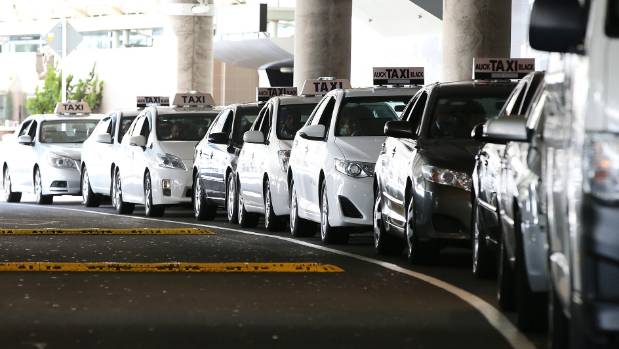
Meanwhile, Uber and similar ride-sharing services redefined transportation by bypassing the need for car ownership altogether. With just a few taps on a smartphone, users can gain access to rides in real-time, significantly reducing the costs and responsibilities associated with owning a vehicle. This model has since expanded to include bike and scooter rentals, catering to a growing demand for eco-friendly, on-demand transportation options in urban areas.
These examples are just a few among many that illustrate the transformative nature of rental services in the modern economy. The internet and mobile technology have not only made it easier to rent but have also fostered a sense of community and shared ownership. As consumers increasingly value experiences over possessions, the rental industry is poised for even greater growth and diversification.
The Benefits of Rental Services: Why Rent When You Can Borrow?
The appeal of rental services is multifaceted, offering advantages to both consumers and businesses alike. For individuals, renting provides an opportunity to access high-quality goods and services without the financial burden of ownership. Whether it’s a luxury car for a special occasion or high-end camera equipment for a short-term project, renting allows consumers to enjoy the benefits of premium products without the long-term commitment or depreciation in value.
One of the most compelling reasons people turn to rental services is the flexibility they offer. Traditional ownership often comes with ongoing costs, including maintenance, storage, insurance, and repairs. Renting eliminates many of these financial and logistical headaches, as the responsibility for upkeep typically falls on the service provider. Furthermore, rental services allow for greater variety, as consumers can easily switch between different models or styles depending on their needs at any given moment.
For businesses, rental services represent an efficient way to scale operations without committing to large capital expenditures. Startups and small businesses, in particular, can benefit from renting equipment or office space, which enables them to preserve cash flow while still gaining access to the tools and resources necessary for success. In industries like construction, where heavy machinery is required, renting can significantly reduce costs while providing access to the latest technologies and equipment.
Additionally, renting promotes sustainability by reducing waste and fostering a more circular economy. Instead of individuals purchasing new products that may only be used intermittently, rental services encourage the sharing and reuse of goods, minimizing the need for mass production and consumption. As the world becomes more environmentally conscious, this model aligns well with efforts to reduce carbon footprints and conserve resources.
The Expanding Horizons: A Look at the Future of Rental Services
While the rental industry has already experienced significant growth, the future holds even more exciting possibilities. The advent of new technologies, such as the Internet of Things (IoT), artificial intelligence (AI), and blockchain, is poised to revolutionize the rental experience, making it even more seamless, efficient, and personalized.
IoT, for instance, allows objects to connect to the internet and communicate with each other. This could lead to smarter rental services, where devices such as cars, appliances, or even furniture are equipped with sensors that track usage patterns and performance. Consumers could benefit from predictive maintenance alerts, ensuring that rental items are always in optimal condition, while rental companies can reduce costs by proactively addressing potential issues before they arise.
AI, on the other hand, could be used to personalize rental experiences, offering consumers tailored recommendations based on their preferences, location, or even their browsing history. AI-driven chatbots could streamline customer service, providing instant support and facilitating quick transactions. In industries like vacation rentals, AI-powered algorithms might predict travel trends and suggest accommodations that best match a traveler’s desires, enhancing the overall user experience.
Blockchain technology, which is known for its ability to provide secure, transparent transactions, could also play a crucial role in the future of rental services. Through smart contracts and decentralized platforms, consumers and service providers could engage in rental agreements with greater confidence, knowing that terms are clearly defined and transactions are secure.
In addition to these technological advancements, there is a growing emphasis on eco-conscious rental services. As climate change and sustainability concerns become more urgent, there is an increasing demand for electric vehicle rentals, sustainable fashion rentals, and even eco-friendly vacation homes. Consumers are not only seeking convenience but also making choices that align with their values, driving a new wave of innovation in the rental sector.
Conclusion: A New Era of Convenience and Accessibility
Rental services have evolved far beyond their initial, practical applications, becoming an integral part of our everyday lives. They offer unprecedented flexibility, affordability, and sustainability, allowing consumers to access a wide range of goods and services without the constraints of ownership. As the global economy shifts toward greater access and shared experiences, the rental industry is poised to continue its expansion, fueled by technological advancements, changing consumer preferences, and a growing emphasis on sustainability.
For both businesses and consumers, rental services represent a paradigm shift in the way we think about ownership and consumption. In a world where experiences often outweigh possessions, renting offers a practical and forward-thinking solution that addresses the needs of a rapidly changing market. The future of rental services is bright, and as it continues to evolve, it promises to redefine the very essence of what it means to have access to the things we want and need.