The Taxi: An Evolution of Urban Mobility and Its Continuing Relevance in a Changing World

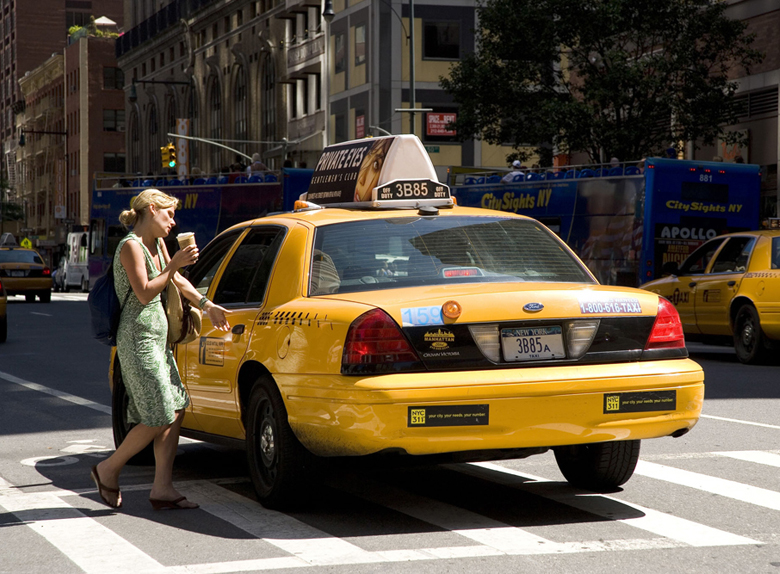
For over a century, the taxi has been a symbol of urban life. It has woven itself into the fabric of daily existence in cities around the world, becoming synonymous with mobility, accessibility, and convenience. From the iconic yellow cabs of New York City to the sleek, black cabs of London, the taxi service has long served as a staple of public transportation. But as technology continues to reshape industries, the traditional taxi is facing new challenges and opportunities. The rise of ride-sharing platforms, environmental concerns, and shifting consumer preferences have all contributed to a rapidly changing landscape. This article delves into the history of the taxi, its enduring role in urban mobility, and the evolving dynamics that are shaping its future.
A Historical Overview: The Birth of the Taxi Industry
The concept of using a car for hire has existed since the late 19th century, but the taxi as we know it today began to take form in the early 20th century. The first motorized taxi service was launched in 1907 in London, using gasoline-powered cars rather than horse-drawn carriages. The familiar image of the yellow cab, however, was popularized in New York City in the 1920s, when John Hertz, the founder of the Hertz Corporation, introduced his fleet of taxis. This innovation was the beginning of a global revolution in public transportation.
Before the advent of the motorized taxi, the primary form of on-demand transport was the horse-drawn cab or carriage, which had been in use since the 17th century. The shift from horses to motor vehicles marked a significant turning point in urban transportation, as it allowed for greater speed, efficiency, and coverage. Taxis quickly became the preferred choice for those who needed to get from one place to another in an affordable, yet relatively private manner.
The introduction of the taximeter in the 1930s, which enabled taxis to charge fares based on distance traveled, solidified the business model. Taxi services were now more reliable and transparent, allowing both the driver and the passenger to understand the cost of the journey in real-time. This development played a pivotal role in making taxis an integral part of the urban landscape.
The Taxi’s Role in Urban Mobility
Taxis have always served as more than just a means of transport; they are a key element of the urban infrastructure. In large, bustling cities where public transportation might not be readily accessible or convenient, taxis offer a level of flexibility and convenience that buses or trains cannot match. A taxi can pick you up from your doorstep and drop you off directly at your destination, providing door-to-door service that is often quicker than other forms of transportation.
One of the defining features of the taxi is its availability. In cities with dense populations, taxis can often be found at any given corner, ready to serve passengers. This spontaneity has been one of the reasons behind the enduring popularity of taxis, especially for those who need to get somewhere in a hurry or at times when public transportation is limited or unavailable. Furthermore, taxis offer a level of privacy that is absent in shared transportation options, giving passengers a personal space to travel in comfort.
In addition to their role in everyday urban transportation, taxis are often essential for specific needs. For instance, they serve as the primary means of transport for people who cannot drive themselves due to age, disability, or lack of access to a car. Taxis are also crucial in emergency situations or during public transportation strikes when they are relied upon to carry essential workers or those with urgent travel needs.
The Disruption of Ride-Sharing: A New Era for Urban Transport
The landscape of urban mobility began to shift dramatically in the 2010s with the rise of ride-sharing services like Uber and Lyft. These platforms leveraged smartphone technology to connect riders with private drivers, effectively bypassing the traditional taxi model. By offering competitive pricing, easier payment methods, and more convenient ways to book rides, ride-sharing services quickly gained popularity and became a formidable competitor to established taxi services.
One of the key advantages of ride-sharing services is their use of digital platforms. Riders can book a ride from their phone in seconds, track the driver’s location in real-time, and pay through an app, eliminating the need for cash transactions or waiting in line for a taxi. These innovations have made ride-sharing services particularly appealing to younger, tech-savvy consumers who prioritize convenience and ease of use.
For traditional taxi services, the rise of ride-sharing presented a challenge that required adaptation. In response, many established taxi companies introduced their own digital platforms, allowing riders to book cabs through an app, much like Uber or Lyft. Some cities also began to regulate ride-sharing services, placing them under the same rules and requirements that govern traditional taxis, in an attempt to level the playing field.
While ride-sharing services have undeniably transformed the way people think about urban transportation, taxis continue to hold a unique place in the market. In many cities, taxis remain the preferred choice for certain demographics, including older adults, tourists, and individuals who may not have access to smartphones or credit cards. Furthermore, taxis are still often seen as more reliable in terms of driver training, safety standards, and familiarity with local routes, which can sometimes give them an edge over newer, less experienced ride-sharing drivers.
The Environmental Considerations: A Shift Toward Sustainable Mobility
In recent years, there has been increasing pressure on the transportation industry to reduce its environmental footprint. The rise of electric vehicles (EVs) has sparked a wave of innovation in the taxi industry, with many cities now introducing EVs into their fleets as a way to reduce emissions and promote sustainability. Some forward-thinking taxi companies are adopting hybrid or fully electric vehicles, offering passengers a greener alternative to traditional gasoline-powered cabs.
This shift toward sustainability is not limited to the vehicles themselves; it also includes the infrastructure that supports them. Charging stations for electric taxis are becoming more common in cities, while some companies are even exploring the use of solar-powered vehicles or charging stations. As cities set ambitious climate goals, the adoption of sustainable taxis will likely play an essential role in meeting these targets, contributing to cleaner air and a reduction in urban pollution.
In addition to electric taxis, there is growing interest in other forms of sustainable urban transportation, such as bike-sharing programs and micro-mobility solutions like electric scooters. As the demand for environmentally friendly transportation continues to rise, the taxi industry will need to evolve to accommodate these shifts in consumer expectations.
The Future of Taxis: A Hybrid Model of Traditional and Digital Services
The future of the taxi is one of transformation and adaptation. While ride-sharing platforms have changed the way people access transportation, the traditional taxi service is not likely to disappear. Instead, we are likely to see a hybrid model where both traditional taxis and ride-sharing services coexist, each catering to different needs and demographics. The flexibility of taxis, combined with the convenience of digital booking, may allow for a broader, more diverse urban mobility ecosystem.
In addition to the digitalization of services, taxis will likely continue to evolve in terms of vehicle technology. The transition to electric and autonomous vehicles is already underway, and this could have profound implications for the taxi industry. Autonomous taxis, in particular, could reduce operating costs and provide an even more convenient experience for passengers. With the development of fully self-driving cars, the need for human drivers may diminish, allowing for greater efficiency and affordability.
Conclusion: The Enduring Legacy of Taxis in Urban Mobility
The taxi has been a cornerstone of urban transportation for over a century, offering unparalleled convenience and accessibility in cities worldwide. Though the rise of ride-sharing services and the growing demand for sustainable transportation have posed challenges to the traditional taxi model, taxis continue to hold a unique and essential place in urban mobility. The future of the taxi lies in its ability to adapt—incorporating new technologies, embracing sustainability, and offering a hybrid model that combines the best of both worlds. As cities evolve and new technologies emerge, the taxi’s legacy will remain a vital part of the ongoing story of urban transportation.