The automobile has undergone a profound transformation since its inception, evolving from a crude horseless carriage to the high-tech marvels we see on the roads today. It has reshaped economies, changed the way people live, and influenced global culture in ways few innovations have matched. As we enter the 21st century, the auto industry is undergoing a new phase of reinvention, driven by a blend of technological advancements, environmental concerns, and shifting consumer expectations. This article explores the rich history, current landscape, and future prospects of the automobile industry, illustrating how it continues to be an essential driver of global change.
The Birth of the Automobile: Innovation at its Core
The story of the automobile began in the late 19th century with inventors and engineers trying to create a more efficient means of transportation than the horse-drawn carriage. While several individuals contributed to the development of early motor vehicles, Karl Benz is widely credited with building the first practical automobile in 1885. His Benz Patent-Motorwagen, powered by a gasoline engine, marked a pivotal moment in history, forever changing the trajectory of transportation.
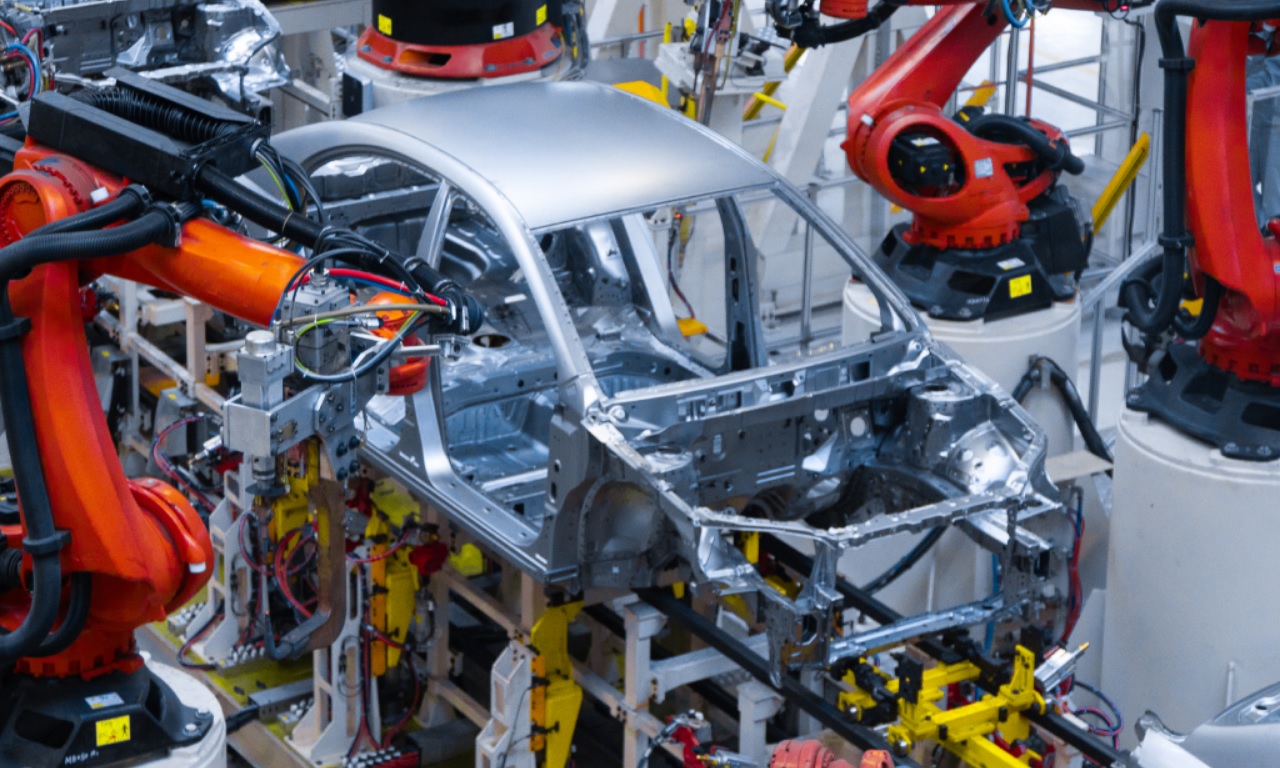
This period of innovation was characterized by small, mechanical breakthroughs. The introduction of mass production by Henry Ford in the early 20th century was perhaps the most significant advancement, making automobiles accessible to a broader segment of the population. Ford’s assembly line revolutionized manufacturing, drastically reducing production costs and bringing down the price of cars. As a result, the automobile became a symbol of freedom, independence, and economic mobility for millions of people.
The 20th Century: Mass Adoption and Global Expansion
The automobile industry expanded rapidly in the early to mid-20th century, driven by the continuous improvement of engines, safety features, and the infrastructure needed to support car ownership, such as highways and gas stations. By the 1950s, the car was firmly entrenched in the cultural fabric of modern life. Cars were not just a practical means of transportation but a reflection of personal style and social status. The introduction of iconic models like the Chevrolet Corvette and the Ford Mustang solidified the car’s status as a symbol of American ingenuity and freedom.
In Europe and Japan, the automobile industry also flourished. Germany’s Volkswagen introduced the Beetle, one of the best-selling cars in history, while Japanese manufacturers like Toyota and Honda began to make their mark in the global market. The competition between these companies spurred continuous innovation and improvement in manufacturing processes, driving down costs and increasing the quality of automobiles worldwide.
The 21st Century: Technological Revolution and Sustainability
The current phase of the automobile industry is defined by rapid technological advancements and a heightened focus on environmental sustainability. The rise of electric vehicles (EVs) is perhaps the most significant development in recent years. Led by companies like Tesla, EVs are slowly but surely reshaping the market. The global push toward reducing carbon emissions and mitigating climate change has made the transition to cleaner energy sources a priority for governments, industries, and consumers alike.
Electric vehicles offer several advantages over traditional gasoline-powered cars. They are more energy-efficient, produce zero tailpipe emissions, and have the potential to lower the overall environmental impact of transportation. As battery technology improves and charging infrastructure expands, EVs are expected to become more affordable and accessible, further accelerating their adoption.
In addition to electric propulsion, the automobile industry is witnessing a convergence of technologies, such as autonomous driving, artificial intelligence, and connectivity. Self-driving cars, once a distant dream, are now on the verge of becoming a reality. Companies like Waymo (a subsidiary of Alphabet Inc.) and Cruise (backed by General Motors) are testing autonomous vehicles on public roads, with the goal of creating a safer and more efficient transportation system.
The advent of autonomous vehicles is poised to transform the concept of personal mobility. Self-driving cars could potentially eliminate traffic accidents caused by human error, optimize traffic flow, and reduce the need for personal car ownership altogether. Shared mobility services, such as ride-hailing apps like Uber and Lyft, are already beginning to change how people think about car ownership and transportation, signaling the possibility of a future where cars are no longer viewed as status symbols but as on-demand tools for getting from one place to another.
Furthermore, the integration of smart technology into vehicles is revolutionizing the driving experience. Infotainment systems, navigation aids, voice control, and connectivity with smartphones and smart homes are becoming standard features in many new cars. These innovations not only make driving more convenient but also increase safety by offering features such as lane-keeping assist, collision avoidance, and adaptive cruise control.
Challenges and Opportunities Ahead
Despite the promise of these new technologies, the auto industry faces several challenges. One of the most pressing issues is the need for sustainable practices across the entire supply chain. Electric vehicles, while cleaner in operation, still rely on the mining of rare earth materials like lithium, cobalt, and nickel for their batteries. The environmental impact of mining and the ethical concerns surrounding labor practices in some of these supply chains have raised questions about the true sustainability of electric vehicles.
Additionally, the transition to electric mobility requires significant investment in infrastructure, including charging stations, battery recycling facilities, and the development of renewable energy sources. Governments and private companies alike must collaborate to address these challenges, ensuring that the shift to cleaner transportation is not only technologically feasible but also economically viable.
Another challenge facing the industry is the issue of data privacy and cybersecurity. As cars become more connected and autonomous, they will generate vast amounts of data, raising concerns about how that data is collected, stored, and used. Ensuring the security of these systems will be critical to maintaining public trust in new technologies.
Despite these challenges, the future of the automobile industry is filled with exciting possibilities. Advances in artificial intelligence, battery technology, and renewable energy will continue to drive innovation. The automotive landscape is shifting away from ownership and towards shared, sustainable, and smart mobility solutions. Companies that can adapt to these changes and embrace new technologies will undoubtedly shape the future of transportation.
Conclusion
The automobile industry has come a long way since its humble beginnings in the late 19th century. From mass production to electric vehicles and autonomous driving, the industry has continually reinvented itself to meet the demands of an ever-changing world. As we look to the future, it is clear that the automobile will continue to play a pivotal role in shaping our societies, economies, and environments. However, the industry’s ability to balance technological innovation with sustainability and social responsibility will determine the extent to which it can thrive in the years to come. The road ahead may be full of challenges, but the potential for positive change is immense, and the journey is far from over.