The Vital Role of Auto Parts: A Deep Dive into Their Significance and the Future of the Automotive Supply Chain

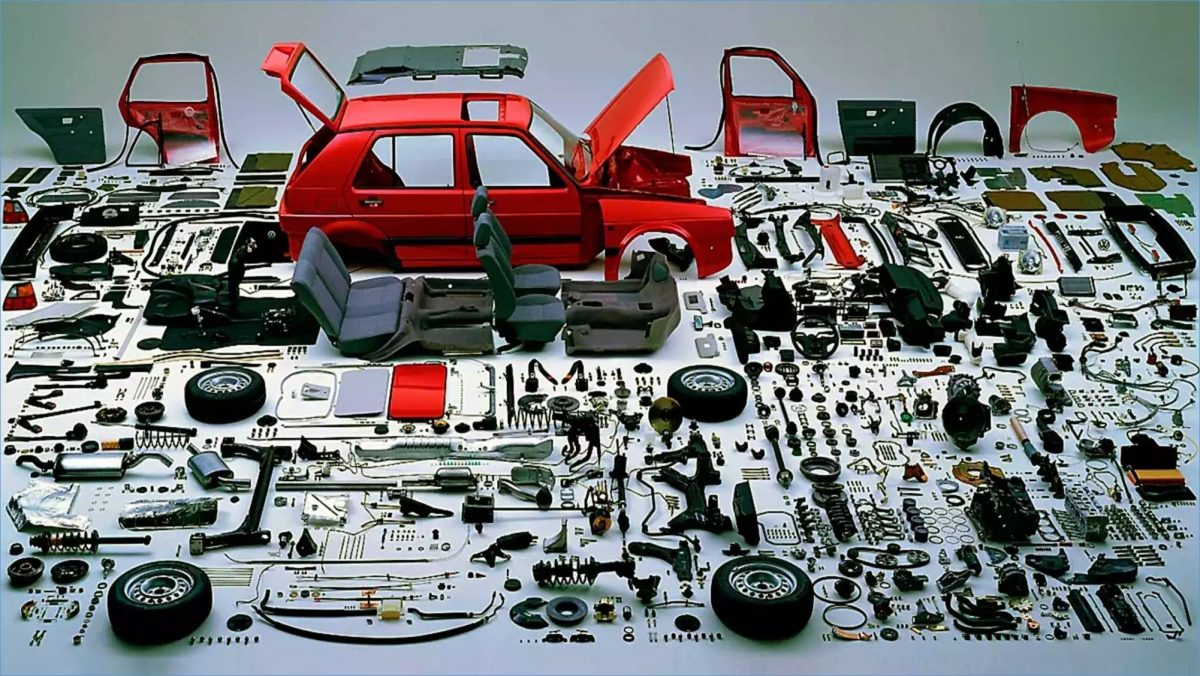
The automobile industry is a complex network of design, engineering, and production, with each vehicle relying on an intricate web of components to function smoothly and efficiently. These individual elements, known collectively as auto parts, are the unsung heroes behind the performance, safety, and longevity of a vehicle. From the engine to the tires, every part plays a critical role, and their continued evolution is essential as the automotive industry faces rapid technological advancements, shifting consumer demands, and sustainability concerns. This article will explore the importance of auto parts, the intricate supply chains behind them, and how the future of the industry is set to reshape the way we view and interact with car components.
The Anatomy of a Vehicle: Key Auto Parts and Their Functions
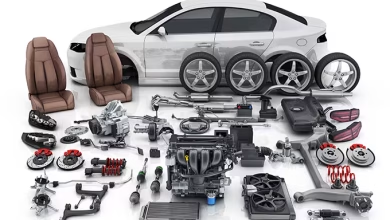
At first glance, a car might seem like a cohesive whole, with its smooth lines and sleek exterior. But beneath the surface, the vehicle is a complex system of various parts and components, each contributing to the overall functionality. Some parts are immediately visible, like the wheels and headlights, while others are hidden within the structure of the car, performing essential tasks that ensure safety, comfort, and efficiency.
-
Engine and Transmission
Arguably the heart of any vehicle, the engine is responsible for converting fuel into mechanical energy, which powers the car. It comprises numerous smaller parts, such as pistons, crankshafts, and camshafts, all working in harmony to generate power. The transmission is equally vital, as it controls the vehicle’s speed and torque, allowing the driver to change gears seamlessly. The engine and transmission are often considered two of the most intricate and crucial components in a vehicle’s design. -
Suspension System
The suspension system ensures that a car provides a smooth and comfortable ride by absorbing shocks from the road and maintaining the proper alignment of the tires. Comprising parts like springs, shock absorbers, struts, and control arms, the suspension also plays a significant role in the vehicle’s handling and stability, particularly during turns or when driving over rough terrain. -
Braking System
Safety is paramount when it comes to automobiles, and the braking system is the primary line of defense in preventing accidents. This system includes components such as the brake pads, discs, rotors, calipers, and the master cylinder, all of which work together to slow or stop the vehicle when necessary. With innovations like anti-lock braking systems (ABS) and regenerative braking in electric vehicles, the braking system continues to evolve to enhance safety and performance. -
Electrical System and Battery
Today’s vehicles rely heavily on electrical systems to power everything from the headlights and air conditioning to advanced infotainment systems and autonomous driving technologies. The car’s battery stores and supplies the electrical energy needed for ignition, lights, and other essential functions. With the rise of electric vehicles (EVs), the battery has become a critical component, with advancements in lithium-ion and solid-state batteries shaping the future of the industry. -
Body and Chassis
The body and chassis provide the structural integrity of the car, ensuring both passenger safety and the vehicle’s ability to withstand various stresses. The chassis is the framework on which all the mechanical and electrical parts are mounted, while the body includes the outer shell, which may be made from a variety of materials such as steel, aluminum, or carbon fiber. With modern manufacturing techniques, the weight and strength of these components continue to improve, offering better fuel efficiency, safety, and performance.
The Global Auto Parts Supply Chain: A Complex Ecosystem
The production of auto parts is not a simple or localized affair. Rather, it is part of a global supply chain that stretches across continents, involving countless suppliers, manufacturers, and logistics companies. The automotive supply chain is often divided into three tiers:
-
Tier 1 Suppliers: These are the major manufacturers that supply finished parts directly to automotive OEMs (original equipment manufacturers). They often provide critical components such as engines, transmissions, or advanced electronics. Companies like Bosch, Denso, and Magna are prominent Tier 1 suppliers.
-
Tier 2 Suppliers: These suppliers provide subcomponents or raw materials that are used by Tier 1 suppliers to create more complex parts. For example, a Tier 2 supplier might provide engine components, metal parts, or plastic injection-molded pieces.
-
Tier 3 Suppliers: These are the most basic suppliers, often involved in providing raw materials, such as steel, rubber, or chemicals, to Tier 2 suppliers.
This multi-tier system, while efficient, is also prone to disruption. Factors like geopolitical tensions, natural disasters, and pandemics can have ripple effects throughout the supply chain, affecting production and delivery schedules. The COVID-19 pandemic, for instance, exposed vulnerabilities in the automotive supply chain, leading to shortages in semiconductors and other essential parts.
Sustainability and the Future of Auto Parts
In recent years, the global focus on sustainability and environmental impact has had a profound effect on the automotive industry. The demand for eco-friendly vehicles, particularly electric cars, has increased the pressure on automakers to rethink not only the design of the vehicles but also the components that make them. As manufacturers move toward sustainable practices, the components that go into a car’s construction must also evolve.
One of the most significant trends is the shift toward lighter materials. Automakers are increasingly using aluminum, carbon fiber, and advanced polymers to reduce the weight of their vehicles. Lighter vehicles are more fuel-efficient and contribute less to carbon emissions. In addition, recycling has become a central concern in the auto parts industry. The end-of-life disposal of automotive parts, such as batteries and plastic components, has led to the development of new recycling methods that reduce waste and lower the environmental impact.
Electric vehicles (EVs) are at the forefront of this revolution. While they offer a cleaner alternative to traditional internal combustion engine (ICE) vehicles, they present new challenges in terms of parts manufacturing. EVs require different components, such as larger batteries, electric drivetrains, and specialized electronics. These parts need to be developed with sustainability in mind, both in terms of their manufacturing processes and their eventual disposal.
The Role of Technology in Auto Parts Innovation
The role of technology in the development and production of auto parts cannot be overstated. Advances in 3D printing, for example, have revolutionized the way auto parts are designed and manufactured. By allowing parts to be created quickly and precisely, 3D printing can reduce costs, improve quality, and even enable the customization of certain components. This is particularly relevant in the world of performance vehicles and the aftermarket industry, where bespoke parts are in high demand.
Artificial intelligence (AI) and machine learning are also playing a pivotal role in improving the manufacturing process of auto parts. AI-driven algorithms can optimize production lines, predict maintenance needs, and even help in the design of more efficient and durable components. Automation and robotics have further enhanced the precision and speed of auto parts production, reducing human error and increasing the overall efficiency of the supply chain.
Conclusion
Auto parts are much more than mere components; they are the lifeblood of the automotive industry. From the engine that powers the vehicle to the brakes that ensure its safety, each part is intricately designed to perform a specific function. The auto parts supply chain is vast and complex, with global networks of manufacturers working together to produce the vehicles we rely on every day. As the industry moves toward a more sustainable and technologically advanced future, the auto parts sector will continue to evolve. From lighter, recyclable materials to the rise of electric and autonomous vehicles, the future of auto parts promises to be as dynamic and innovative as the vehicles they help create.